
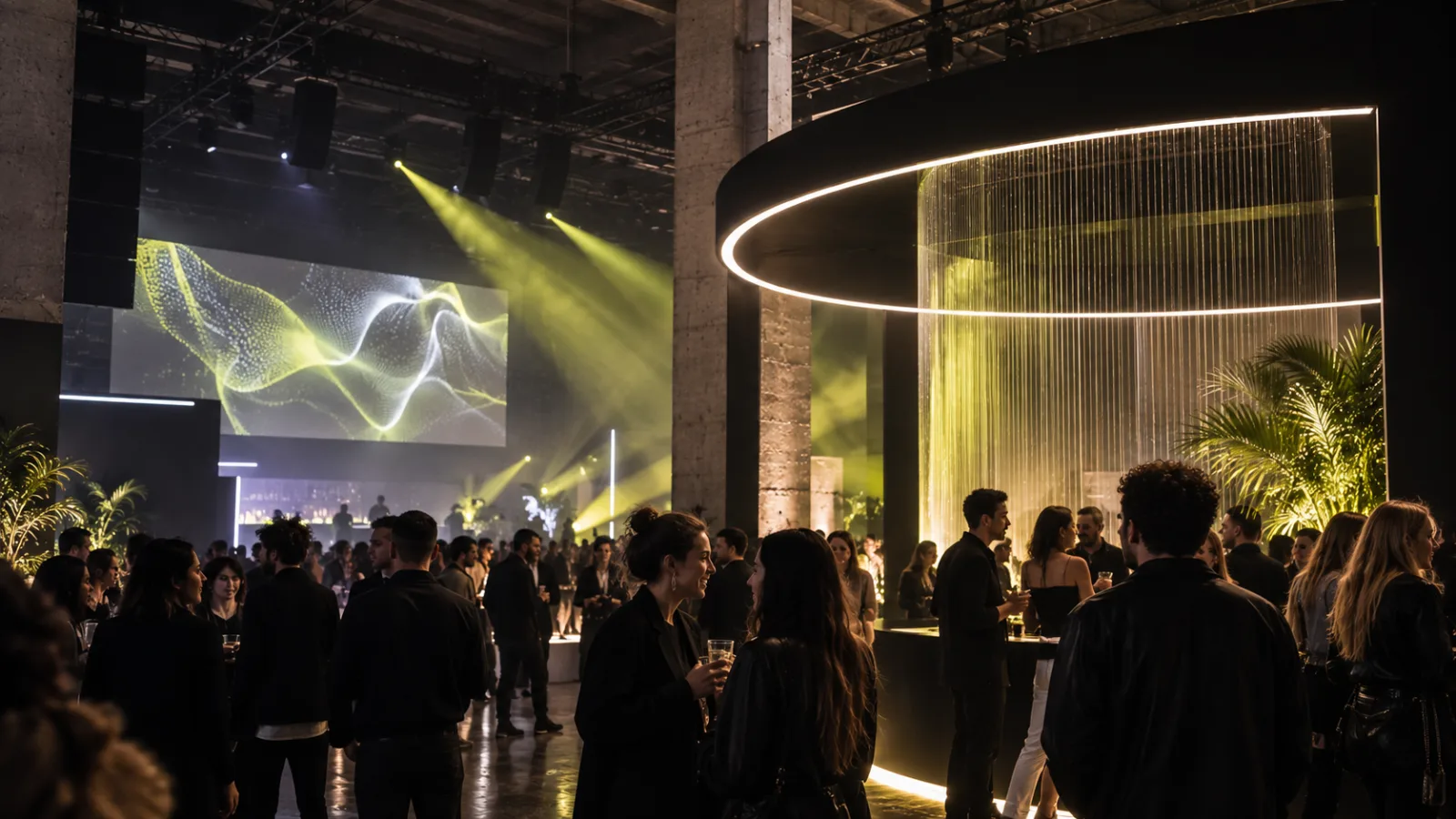
In today’s attention economy, brands compete not just for visibility but for genuine connection. Traditional advertising still plays a role, but experiential marketing has become the preferred route for brands looking to drive engagement, loyalty, and word of mouth. The best campaigns don’t just tell a story, they invite people to step inside it.
Experiential marketing delivers results beyond what static ads or digital retargeting can achieve. By tapping into human behaviour, it builds emotional resonance through real-life moments. This is as true in London’s creative districts as it is in the heart of Miami’s Wynwood Art District, two markets where UNLOCKED’s blank-canvas spaces regularly host activations that put experience first.
Here’s why experiential marketing consistently outperforms traditional advertising, and what brands can take from its success.
Engagement You Can Feel, Not Scroll Past
Traditional media relies on interruption. TV spots, banners, and billboards compete with digital clutter and short attention spans. Experiential campaigns, on the other hand, invite audiences to participate. They transform consumers from passive viewers into active collaborators, giving them a stake in the story.
- Brand activations in venues like UNLOCKED Wynwood encourage hands-on interaction, not just eyeballs.
- Events can be tailored to specific audiences, whether intimate workshops or large-scale installations.
- This level of participation creates memories, not just impressions.
Emotional Impact Drives Brand Loyalty
People connect with brands that make them feel something. Experiential marketing leverages emotional design, sound, lighting, tactile elements, to stimulate the senses. The physical environment plays a crucial role. Spaces like UNLOCKED Shoreditch, with its raw brick and versatile layout, allow brands to shape immersive worlds that tell their story authentically.
When someone steps inside a pop-up or activation, they experience the brand’s values first-hand. This emotional dimension creates loyalty that an advert or promoted post cannot replicate.
Shareability Fuels Organic Reach
One of experiential marketing’s key strengths is its ability to generate organic content. Attendees share what feels remarkable, amplifying the campaign’s reach without extra ad spend. The right environment encourages this impulse: striking backdrops, tactile installations, and interactive features are all built for sharing.
- Photo-ready spaces and installations drive social posts and stories.
- Live moments become digital content, extending campaign ROI.
- Personal recommendations and authentic experiences carry more weight than paid placements.
Direct Feedback and Rich Audience Data
Experiential campaigns provide an opportunity for real dialogue. Whether it’s a product trial, creative workshop, or immersive pop-up, brands can observe reactions, gather instant feedback, and adjust on the fly. This kind of qualitative data is hard to get from broadcast media or digital ads alone.
With clear sightlines and flexible layouts, venues like UNLOCKED Sacred in London make it easy to watch how guests move through a space, which features catch attention, and where engagement peaks.
Adaptability to Brand Needs and Budgets
Experiential marketing is not just for big-budget global brands. Modular event spaces, pop-ups, and creative collaborations make it possible for brands of any size to create memorable touchpoints. The key is flexibility in both design and delivery. Blank-canvas venues like those operated by UNLOCKED enable this adaptability, letting each event reflect the brand’s unique identity and goals.
- Small activations can feel exclusive and bespoke.
- Large-scale events can scale up without losing the sense of immersion.
- Brands can test concepts live, then iterate or scale as needed.
The Role of the Physical Space
The venue is more than a backdrop. It shapes how people move, interact, and remember an experience. Industrial spaces with character, such as those in Wynwood or Shoreditch, help activate a brand’s identity in subtle ways. High ceilings, raw materials, and open layouts give room for creativity while anchoring the event in a tangible place. The right space makes the difference between an event that’s forgettable and one that guests talk about long after it ends.
Conclusion: Experiential Marketing Wins Where It Matters
Experiential marketing outperforms traditional advertising because it is built on real connection. It’s about participation, not interruption; emotion, not noise. In the current landscape, brands looking to cut through have to prioritise memorable engagement over mere exposure. The right venue, well-designed experiences, and a focus on authentic interaction make the difference. For those who want to move beyond impressions and into impact, experiential marketing isn’t just a tactic, it’s the foundation of modern brand building.